
Get Subpanel Installation
Subpanel installation services help property owners add or upgrade electrical panels for larger or more complex wiring needs, often involving new construction or renovation projects.
If you’re considering subpanel installation for your property, you’re in the right place to explore your options. Installing a subpanel can be a practical solution for expanding electrical capacity, adding new circuits, or improving safety by better managing power distribution. Property owners often look into this work to support home renovations, outdoor projects, or to accommodate new appliances and equipment. Comparing local contractors ensures you find experienced professionals who understand the specific needs of your property and can help plan a project that fits your goals.
Continuing with your planning process involves evaluating the services available from nearby service providers. Local contractors can provide insights into the best approaches for your electrical setup, ensuring the work aligns with your property’s requirements. By exploring your options and connecting with qualified professionals, you can make informed decisions about your subpanel installation project and move forward with confidence.
- Subpanel Replacement - when an existing subpanel is outdated or needs upgrading to support additional circuits.
- Subpanel Addition - for expanding electrical capacity in a property that requires more dedicated circuits.
- Subpanel Repair - if a subpanel has signs of damage, corrosion, or electrical issues that need professional fixing.
- Subpanel Upgrade - to improve safety and performance when the current subpanel no longer meets electrical demands.
- Subpanel Relocation - when a subpanel needs to be moved to a different area for convenience or better electrical distribution.
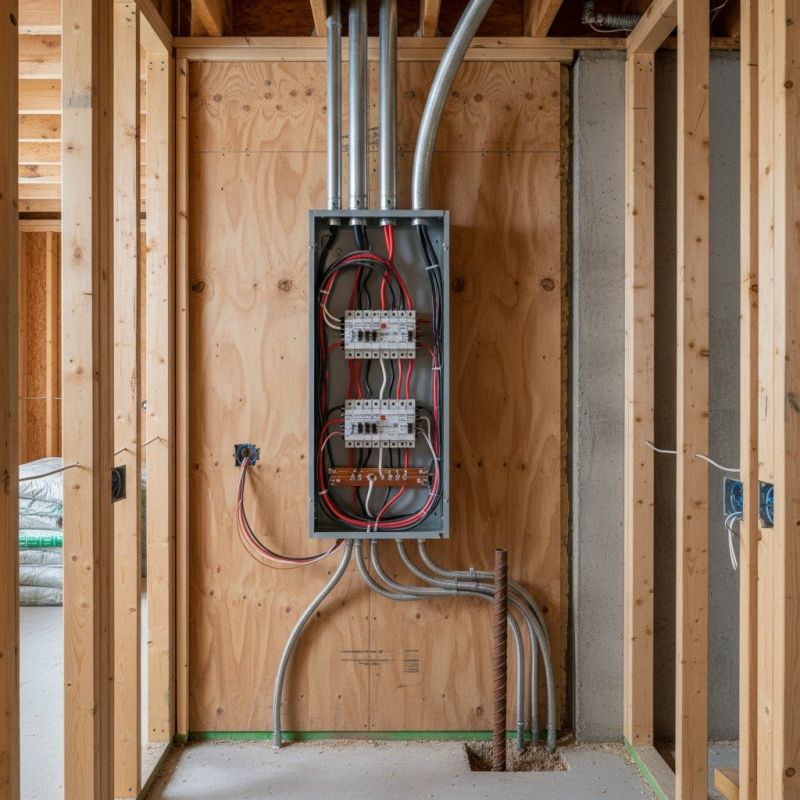
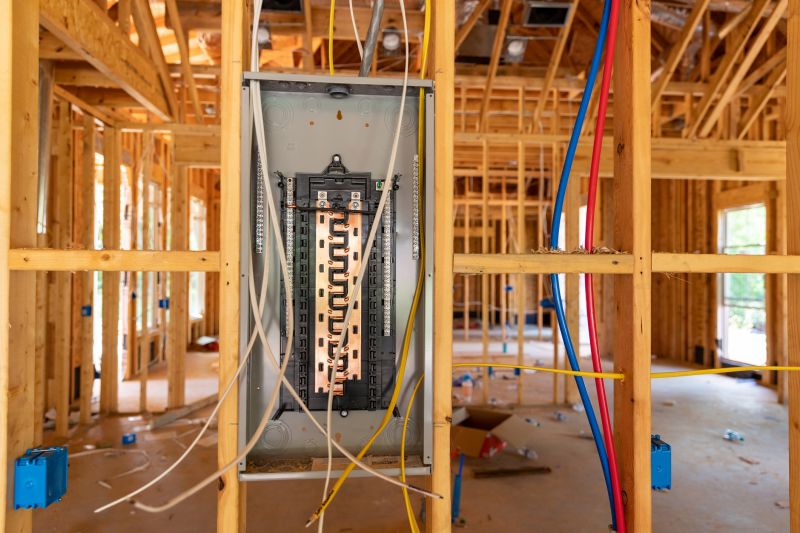
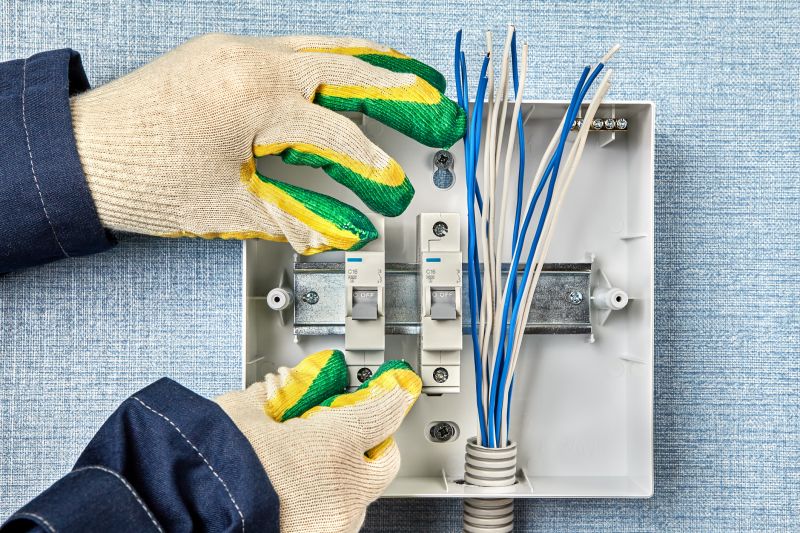
Subpanel installation services involve adding an additional electrical panel to a property to better distribute power and accommodate increased electrical demands. This process typically includes selecting the appropriate size and type of subpanel, running new wiring from the main electrical panel, and ensuring proper connections and safety measures are in place. Skilled service providers can handle all aspects of the installation, ensuring the system functions efficiently and safely. This upgrade is often necessary when existing electrical panels are overloaded or when new circuits are needed for additional appliances, HVAC systems, or recreational equipment.
Installing a subpanel helps address common electrical problems such as frequent circuit breaker trips, overloaded circuits, or insufficient capacity for new electrical devices. It provides a dedicated space for circuits that serve specific areas or large appliances, reducing the risk of overloads and improving overall electrical system reliability. For properties experiencing frequent outages or needing to expand their electrical system, a subpanel can offer a practical solution. By distributing power more effectively, a subpanel can help prevent damage to wiring and appliances caused by electrical stresses.
Properties that typically use subpanel installation are often larger homes, properties with extensive electrical needs, or buildings undergoing renovations. Multi-story residences, homes with finished basements, or those with added workshops or garages frequently require additional circuits that a main panel alone cannot support efficiently. Commercial properties, workshops, or rental units may also benefit from subpanels to better manage electrical loads and ensure safe operation of multiple circuits. Local contractors can evaluate the specific needs of each property to recommend the appropriate subpanel setup.
Homeowners who notice signs like flickering lights, tripped breakers, or the inability to run multiple high-power appliances simultaneously might consider installing a subpanel. It is also a common step during major renovations, additions, or when upgrading electrical systems to meet modern demands. By working with experienced local service providers, property owners can ensure the installation is completed correctly and tailored to their specific electrical requirements. Contacting local contractors for an assessment can help determine if a subpanel is the right solution to improve electrical performance and safety.
The overview below groups typical Subpanel Installation projects into broad ranges so you can see how smaller, mid-sized, and larger jobs often compare in your area.
In many markets, a large share of routine jobs stays in the lower and middle ranges, while only a smaller percentage of projects moves into the highest bands when the work is more complex or site conditions are harder than average.
Smaller Repairs - Typical costs for minor subpanel repairs or upgrades often range from $250 to $600. Many routine jobs fall within this middle range, depending on the specific work needed and local labor rates.
Standard Replacement - Replacing an existing subpanel with a new unit generally costs between $600 and $1,500. Most projects in this category are straightforward and tend to stay within this typical range.
Full Subpanel Installation - Installing a new subpanel from scratch can cost between $1,500 and $3,000 for standard setups. Larger or more complex installations may push costs higher, but many projects remain within this range.
Large or Complex Projects - Extensive subpanel work, such as adding multiple circuits or integrating with existing systems, can reach $3,000 to $5,000 or more. These higher-end projects are less common but are handled by local contractors for specialized needs.
Actual totals will depend on details like access to the work area, the scope of the project, and the materials selected, so use these as general starting points rather than exact figures.
Electrical Panel Upgrades - Professionals who upgrade electrical panels often have the skills needed for subpanel installation, ensuring proper wiring and safety standards.
Home Wiring Projects - Home wiring projects require similar planning, tools, and electrical knowledge as installing subpanels for added circuits.
Garage or Basement Electrical Installations - Installing electrical systems in garages or basements involves subpanel setup to support additional outlets and lighting.
Commercial Electrical Services - Commercial projects often involve complex electrical distribution systems that include subpanel installation and planning.
Electrical Troubleshooting and Repairs - Troubleshooting electrical issues can involve inspecting and modifying subpanels to resolve wiring or capacity problems.
Outdoor Electrical System Installation - Outdoor wiring and electrical systems may require subpanel placement to manage power distribution safely and effectively.
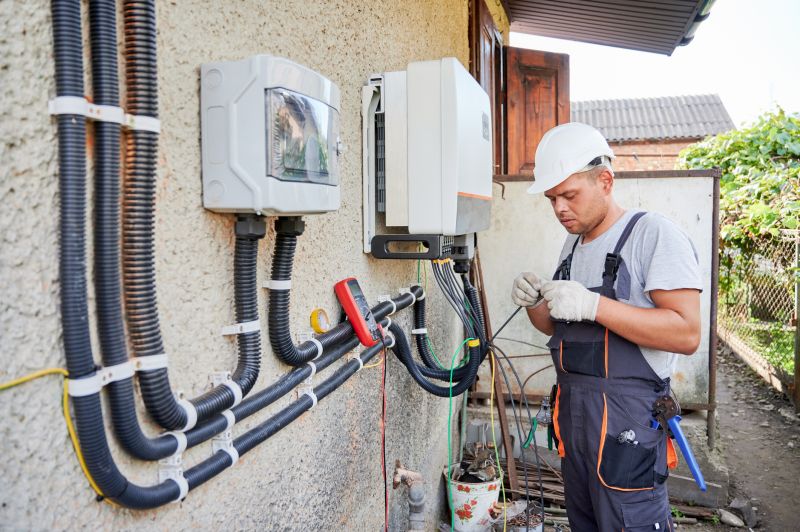
When comparing service providers for subpanel installation, it’s important to consider their experience with similar projects. Homeowners should look for local contractors who have a proven track record of handling subpanel installations comparable in size and complexity to the job at hand. This experience can provide insight into their familiarity with the specific requirements and challenges of such work, helping to ensure the project proceeds smoothly and meets safety standards.
Clear, written expectations are essential when evaluating potential contractors. Homeowners should seek detailed estimates or proposals that outline the scope of work, materials to be used, and any relevant project milestones. Having these expectations documented helps prevent misunderstandings and provides a basis for comparing different service providers. It’s also beneficial to ask for reputable references from previous clients who can speak to the contractor’s professionalism, quality of work, and adherence to agreed-upon details.
Effective communication is a key factor in selecting a reliable local contractor. Homeowners should prioritize service providers who are responsive, transparent, and willing to answer questions thoroughly. Good communication fosters trust and ensures that project details are clearly understood from the outset. While the site introduces homeowners to local options, it is important to remember that the actual work is performed by independent service providers. Comparing these local pros based on their experience, clarity of expectations, references, and communication skills can help homeowners find the right partner for their subpanel installation needs.
Property owners use Subpanel Installation services for practical projects around their homes and businesses. This guide focuses on everyday jobs and straightforward project options.
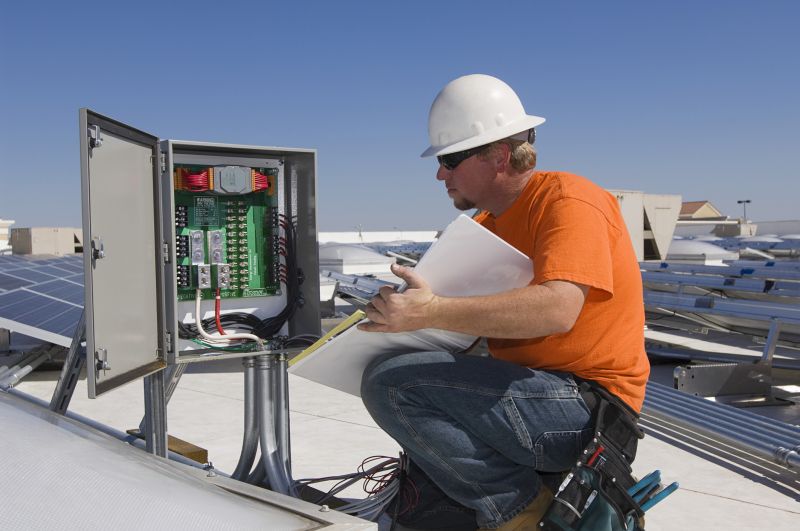
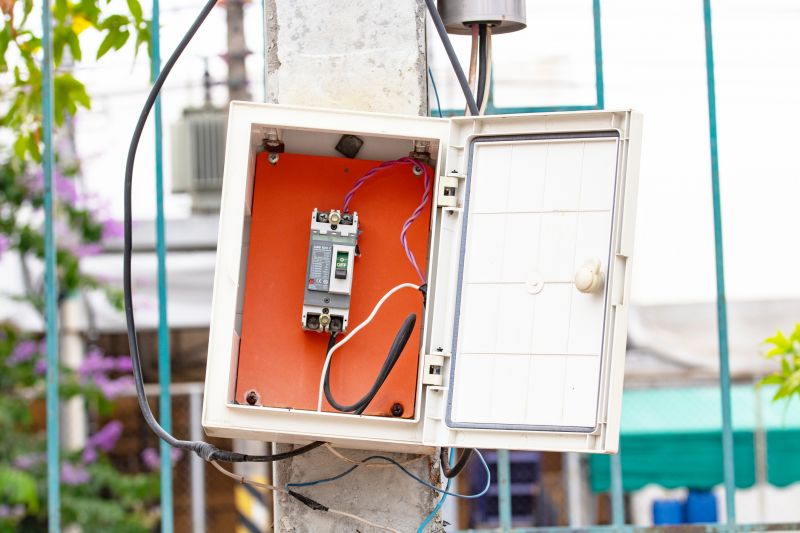
Subpanel installation services are often needed when property owners are upgrading their electrical systems to support additional appliances, home expansions, or new technology. Whether a homeowner is adding a new workshop, finishing a basement, or installing a large HVAC system, a subpanel can provide the extra electrical capacity required. Local contractors who specialize in electrical work can assess the property's needs and handle the installation safely and efficiently, ensuring the electrical system meets the demands of modern living.
Property owners in the area might also seek subpanel installation when existing panels are outdated or overloaded, causing circuit breakers to trip frequently. In such cases, a new subpanel can help distribute power more effectively and reduce the risk of electrical issues. Local service providers can evaluate the current setup and recommend solutions that improve safety and functionality for everyday household needs or business operations.
What is a subpanel installation? A subpanel installation involves adding a secondary electrical panel to distribute power more efficiently within a property, often to support additional circuits or appliances.
Why might a property need a subpanel? A property may require a subpanel to handle increased electrical demand, reduce overload on the main panel, or improve electrical organization in specific areas.
What should I consider before installing a subpanel? It's important to evaluate the electrical load requirements, the location of the subpanel, and compatibility with existing wiring and the main electrical system.
How do local contractors handle subpanel installations? Local service providers typically assess the electrical setup, ensure proper wiring and grounding, and install the subpanel according to safety standards.
Can a subpanel be added to an existing electrical system? Yes, a subpanel can be added to an existing system to expand capacity or improve electrical distribution in specific areas of a property.
Subpanel Installation for Expanding Power - Property owners planning to add new appliances or circuits can benefit from a dedicated subpanel to distribute electricity safely and efficiently.
Upgrading Electrical Systems - Those renovating or updating their homes may need a subpanel to support increased electrical demands and improve overall system organization.
Enhancing Safety and Reliability - Installing a subpanel helps local contractors isolate electrical loads, reducing the risk of overloads and improving system stability in busy households.
Creating Dedicated Power Zones - Property owners looking to set up separate areas such as workshops or outdoor spaces can use subpanels to provide reliable, localized electrical sources.
If you are thinking about Subpanel Installation for a property, this guide is meant to help you understand the work, the typical project types, and how different options might fit your plans.
When you are ready, you can use the quote form on this page to share a few details about your project. From there, local pros can review the basics and respond with options that match what you have in mind.